
Defence Testing
Supporting Defence Industry Compliance
Falcon Test Engineers provides specialised testing and certification services tailored to the needs of Australia’s defence sector. We work with manufacturers, contractors, and government agencies to ensure compliance across a range of standards, including UN Dangerous Goods, MIL-STD, and DEF STAN protocols.
With over 35 years of experience and a NATA-accredited lab, our team can test and certify everything from drone systems and ammunition to large-format lithium batteries and infectious substance packaging.







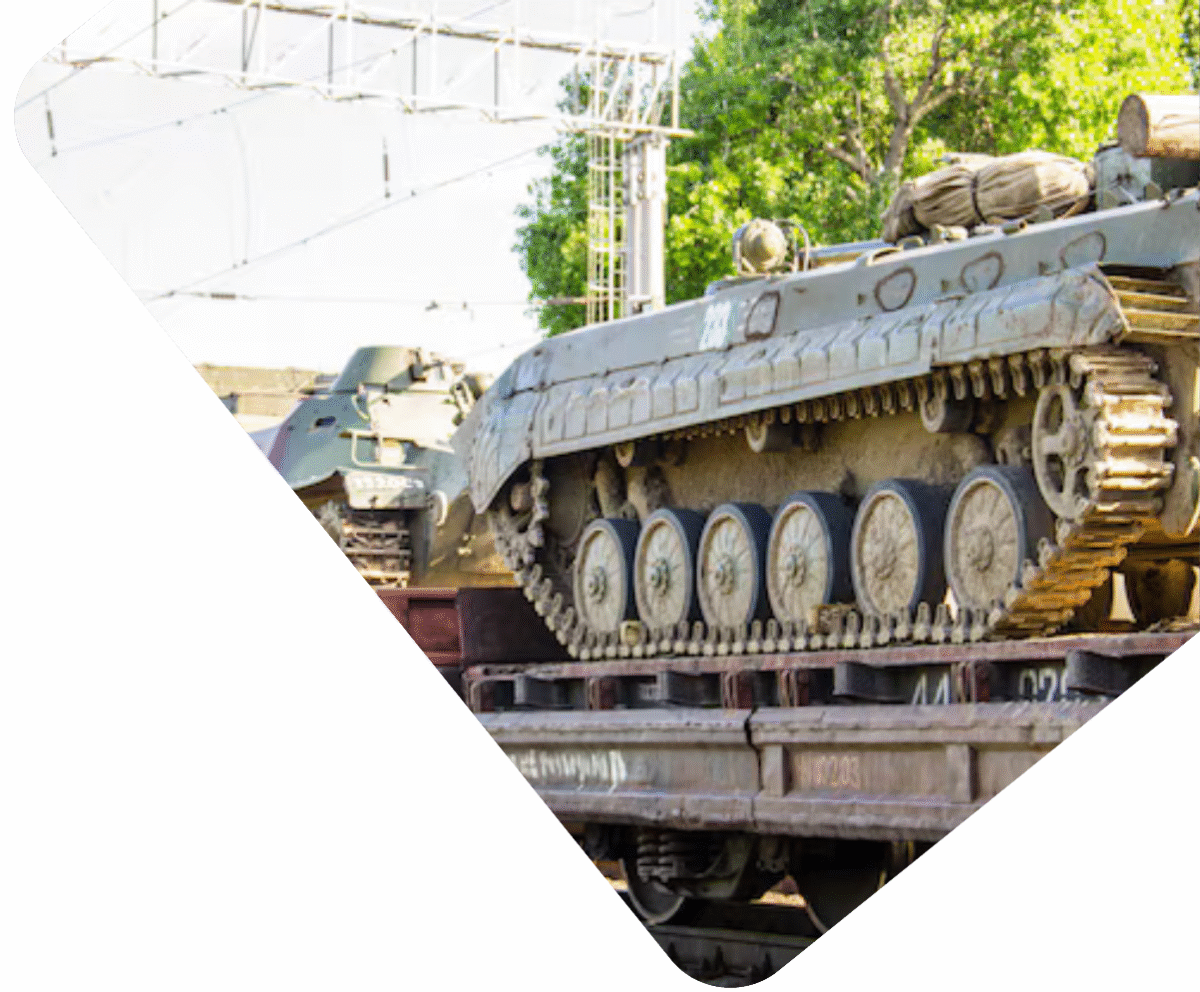
WHAT WE TEST
Defence Testing
UN Dangerous Goods Transport Packaging
We perform testing and certification for UN-compliant packaging used in the transport of Class 1 (Explosives), Class 6.2 (Infectious Substances), and other dangerous goods across road, rail, air, and sea.
Ammunition & Ordnance Transport Systems
We test packaging and containers used to transport defence-grade ammunition, ordnance, and explosives — ensuring compliance with drop, stack, leak, and vibration requirements.
Remote Aircraft & Drone Systems
Our lab conducts impact, drop, and vibration testing for remotely piloted aircraft components and ground support systems, aligned with military and aviation compliance standards.
Lithium Battery Transport Systems
We offer full UN 38.3 lithium battery testing and certification, suitable for high-power battery systems used in defence vehicles, drones, and communication devices.
Defence Testing Standards We Support
DEF STAN 00-35
We provide drop testing up to 12 meters as part of Defence Standard 00-35 environmental testing requirements.
MIL-STD-810E
Our testing supports drop and impact assessments in line with the U.S. military’s MIL-STD-810E standard, resplicating field transport and deployment condition.
UN 38.3 Lithium Battery Testing
We test batteries under conditions such as altitude, vibration and thermal shock ensuring compliance before deployment or shipment.
Class 6.2 Infectious Substances
We test packaging used for the safe transport of biological and infectious materals, including triple packaging systems and absorbent containment.
Why Falcon Test Engineers?
Over 35 years of Dangerous Goods testing experience
NATA-accredited and ISTA-certified laboratory
Compliance with UN, MIL, IATA, IMDG, and DEF STAN standards
Drop testing capabilities up to 12 metres
Responsive team and fast turnaround times
FAQ's
What types of defence products do you test?
We test a range of items including:
Ammunition and ordnance transport containers
Remote aircraft and drone components
Military-grade battery packs
Infectious substance packaging
Equipment and packaging systems used in field deployment or transport
What testing standards do you work to?
We test in accordance with:
UN Recommendations for the Transport of Dangerous Goods
MIL-STD-810E (Drop and impact testing)
DEF STAN 00-35 (Drop testing up to 12m)
UN 38.3 (Lithium battery testing and certification)
IATA, IMDG, and ADG codes
NATA and ISTA-accredited testing procedures
What is UN 38.3 testing?
UN 38.3 is a mandatory testing standard for lithium batteries transported by air, sea, or road. It includes tests for:
Altitude simulation
Thermal cycling
Vibration
Shock
External short circuit
Impact / crush
Overcharge
Forced discharge
We provide certification and full reporting for compliance.
What is DEF STAN 00-35?
DEF STAN 00-35 is a UK Ministry of Defence standard that outlines environmental test methods for defence equipment. At Falcon, we support drop testing up to 12 metres to simulate extreme handling conditions, including storage and transport.
What is MIL-STD-810E testing?
MIL-STD-810E is a U.S. military standard for environmental engineering testing. It includes procedures for evaluating how equipment holds up under field conditions, such as:
Drop and impact
Vibration
Humidity and temperature extremes
Do you issue formal certification?
Yes. All tests are conducted in our NATA-accredited lab. We issue formal test reports and certificates that meet compliance and regulatory requirements for domestic and international transport.
Ready to Book a Defence Testing project?
Contact our experienced lab team to discuss your testing needs. We are based in Melbourne, servicing clients across Australia and Asia.








Inner Packaging
Test standard: as per the ADG Code 7.6 / NTC Guidelines.
Tests include: Drop & Hydraulic pressure differential testing

Single Packaging
Tests include: Drop, Leak, Hydraulic & Stack testing

Combination Packaging
Test standard: The UN Recommendations on the Transport of Dangerous Goods.
Tests include: Drop, Stack & Cobb testing

Intermediate bulk Containers (IBCs)
Test standard: The UN Recommendations on the Transport of Dangerous Goods.
Tests include: Bottom Lift, Top Lift, Stacking, Leakproofness, Hydraulic Pressure, Drop & Vibration Testing

Flexible Intermediate Bulk Containers (FIBCs)
FIBC’s intended for Dangerous Goods
Test standard: The UN Recommendations on the Transport of Dangerous Goods.
Tests include: Top Lift, Topple, Righting, Drop, Stacking & Tear Testing
FIBC’s intended for Non-Dangerous Goods
Test standard: Australian Standard AS3668:2019
Tests include: Top Lift, Cyclic Top Lift, Stacking & Drop Testing

Fuel Containers
Test standard: Australian Standard AS/NZS 2906:2001
Tests include: Compatibility of Elastomeric Components In Contact With Fuel, Mass Loss, Drop, Flame Resistance, Handle Strength, Vacuum,