

Product Testing
Sharps Container Testing
Performance testing for sharps containers referencing AS/NZS 23907:2023 — from penetration resistance and closure integrity through to lifespan simulation for reusable designs.
NATA-accredited to ISO/IEC 17025 · 38 years of testing expertise · Independent & Australian-owned
What AS/NZS 23907 covers
AS/NZS 23907:2023 — Sharps injury protection: requirements and test methods for sharps containers — adopts and modifies ISO 23907-2:2019, the international standard covering reusable sharps containers. It sets out requirements and test methods aimed at one goal: making sure a sharps container actually protects the people who use, carry and empty it, for as long as it's in service.
The wider ISO 23907 series covers both single-use containers (Part 1) and reusable containers (Part 2 — the basis for the adopted Australian/New Zealand standard). Get in touch with your container's design and we'll confirm which framework fits your product.
Why sharps container testing matters
A sharps container fails quietly — a closure that doesn't lock properly, a wall that doesn't resist a needle at an awkward angle, a base that tips too easily when partly full. None of that shows up until the container is actually in use. Testing against AS/NZS 23907 gives manufacturers, healthcare product developers, and organisations specifying or procuring sharps containers evidence that a design performs before it's relied on.
Performance considerations we can assess
The specific program is scoped to your container's design and intended use — get in touch to confirm which of these apply.
Two separate considerations, if your container is also dangerous goods
Injury-protection performance and dangerous goods packaging performance are assessed separately.
For manufacturers developing or validating reusable designs
Lifespan Simulation Testing
A reusable sharps container doesn't just need to perform when it's new — it needs to keep performing after months of repeated opening, filling, closing and handling. Lifespan simulation testing is a dedicated program built to answer that question directly: does this design still protect the people using it after realistic use over its expected service life, not just on day one?
What a lifespan program can cover
A lifespan simulation program can be built around repeated opening or use, progressive filling, closure operation, storage conditions, simulated ageing, and performance assessed at different stages of the container's usable life — including scenarios matched to a specific customer's expected usage pattern. For manufacturers, this turns an assumption about product life into evidence: a real answer to whether a design holds up in service, useful for product development validation as much as for demonstrating performance to a customer or regulator.
Because usage patterns, materials and intended service life vary by product, the exact simulation method, duration, cycle count and environmental conditions are developed specifically for your container, its applicable requirements, and its intended use — rather than run to a fixed, one-size-fits-all program.
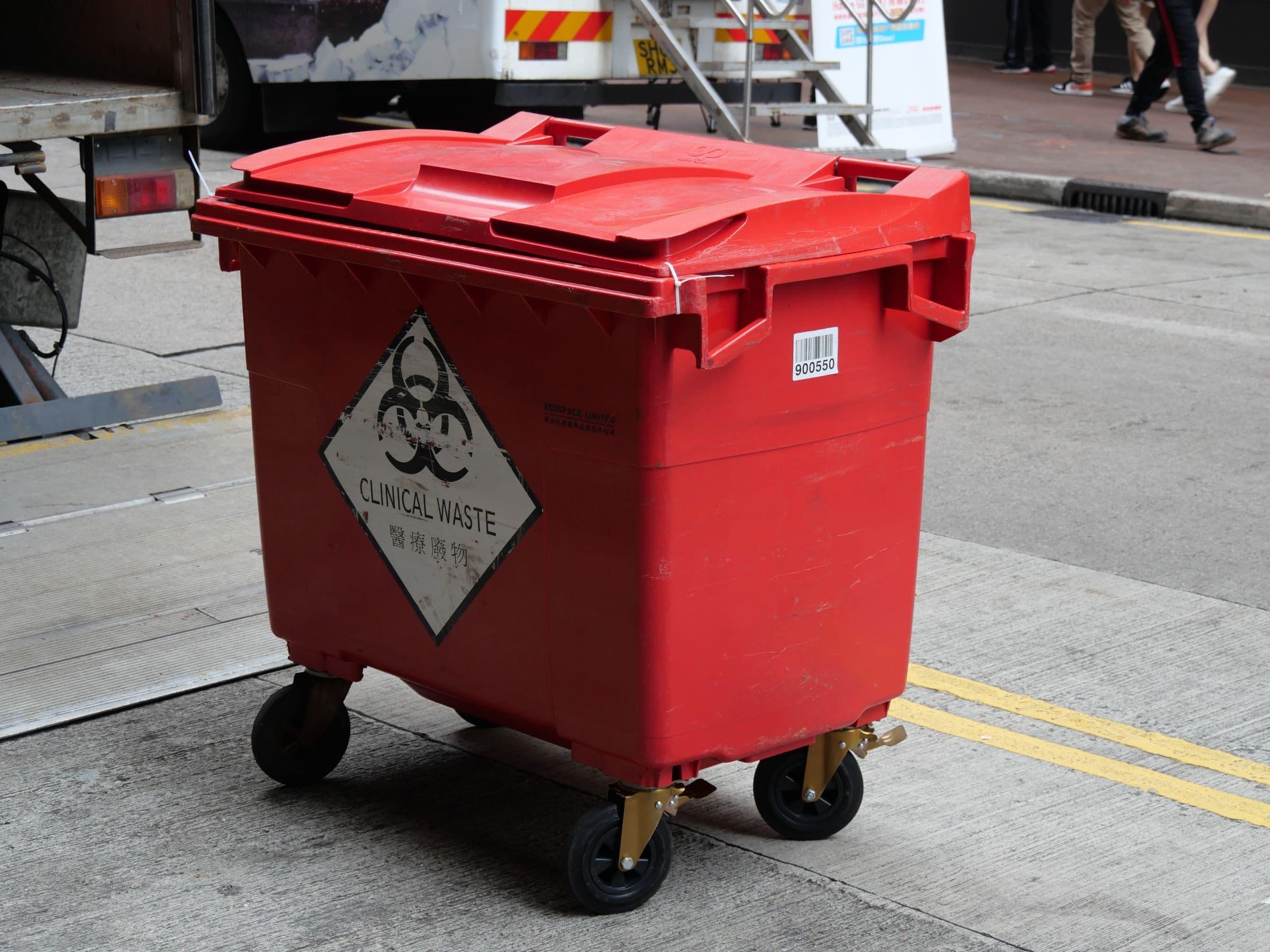
A container is only protective for as long as it keeps performing.
From enquiry to a tested design
Scope & Use Pattern
We confirm your container's construction, whether it's single-use or reusable, and its intended setting and use pattern.
Sample Submission
You send representative samples, assembled with their intended closure.
Testing
We test against the relevant performance considerations — plus lifespan simulation, where your program calls for it.
Reporting
You receive a technical report setting out what was tested and how your container performed.
What we'll need from you
- Container construction and material
- Single-use or reusable design
- Intended setting and use pattern
- Expected service life (for reusable designs)
- Classification of intended contents
- A representative sample
Why clients test with Falcon
NATA-accredited to ISO/IEC 17025
Our mechanical testing is independently accredited — get in touch to confirm accredited scope for your specific test.
38 years of testing experience
Testing dangerous goods and product-safety packaging since 1988.
Independent & Australian-owned
A specialist testing laboratory, not a division of a container manufacturer.
Frequently asked questions
What is AS/NZS 23907:2023?
AS/NZS 23907:2023 is the Australian/New Zealand standard for sharps injury protection — requirements and test methods for sharps containers. It adopts and modifies ISO 23907-2:2019, the international standard covering reusable sharps containers.
Does this cover single-use sharps containers too?
The international ISO 23907 series covers both single-use containers (Part 1) and reusable containers (Part 2, the basis for AS/NZS 23907:2023). Get in touch with your container's design and intended use and we'll confirm which framework applies.
What is lifespan simulation testing, and why would I need it?
It's a program that simulates the repeated use, filling and handling a reusable sharps container experiences across its working life, so you can validate performance at different stages of use rather than only when new. It's particularly relevant for reusable container designs.
Do sharps containers ever need separate dangerous goods testing?
Some sharps or poisons containers are also classified as dangerous goods packaging for transport, which brings in a separate performance standard. Talk to us about your container's intended use and contents and we'll confirm whether that applies to you.
What do you need from me to start?
Your container's construction and material, whether it's a single-use or reusable design, its intended setting and use pattern, and a representative sample — get in touch and we'll confirm scope.
Related services
Discuss your product's lifespan
Tell us about your sharps container, its design and its intended service life, and we'll come back with a clear scope, timeframe and price.