

Defence & Military Standards Testing
Defence Testing
The same independent, NATA-accredited rigour we apply to commercial dangerous goods and product testing, extended to defence standards — MIL-STD-810H environmental and vibration testing, UN 38.3 battery transport testing, and shock and drop testing that replicates real deployment conditions.
NATA-accredited to ISO/IEC 17025 · 38 years of testing expertise · Independent & Australian-owned
Testing built for deployment conditions
Defence and military equipment has to survive conditions well beyond typical commercial transport and handling — extreme temperature, repeated shock and vibration, and the transport of genuinely hazardous payloads. We test to the same independent standard for defence clients as we do for every other client: real conditions, real standards, and a report that stands up to scrutiny.
3,000 kg
Impact / shock testing
20 t
Compression testing
12 m
Drop testing
−40°C to +105°C
Environmental conditioning
What we test
Jump to a category below, or get in touch to scope a program around your equipment.
Dangerous Goods Packaging for Defence
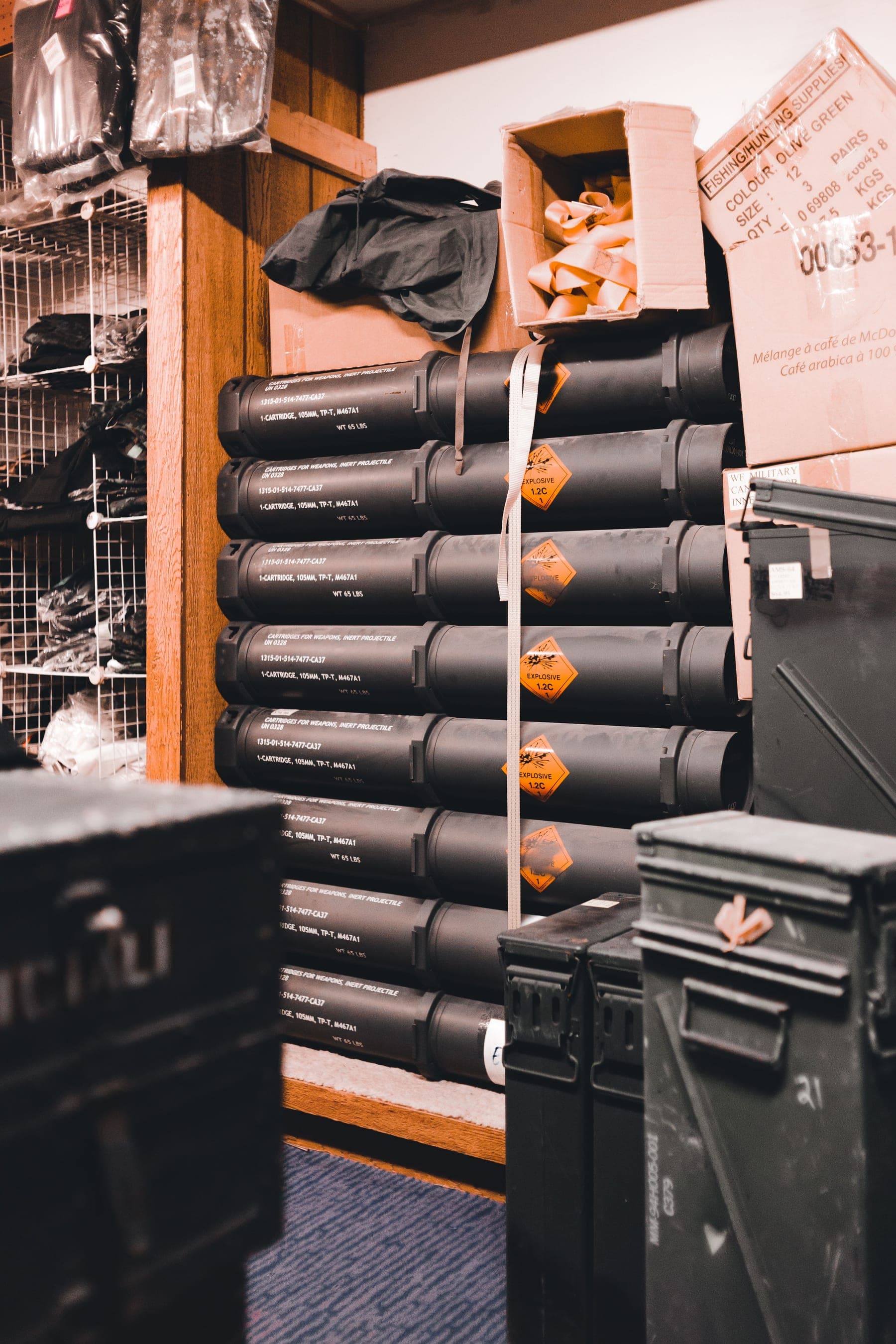
Ammunition, ordnance and other Class 1 (explosives) and Class 6.2 (infectious substances) materiel must be packaged and tested to the same UN Recommendations and ADG Code requirements as any other dangerous good. Ammunition and ordnance transport systems are tested for drop, stacking, leak and vibration performance, using the same UN packaging performance testing we carry out for commercial dangerous goods clients.
See our UN dangerous goods packaging testingMIL-STD-810H Environmental & Vibration Testing
MIL-STD-810H sets out the environmental engineering considerations and test methods defence programs use to qualify equipment for real deployment conditions — extreme temperature, humidity, altitude, shock and vibration. We test to MIL-STD-810H using the same vibration and environmental testing capability behind our commercial testing programs.
See our vibration testing capability in detail
Defence-grade equipment demands defence-grade proof.
Remote Aircraft & Drone Systems Testing
Unmanned and remote aircraft systems face their own combination of transport and operational stresses. We test drone and remote aircraft systems, and the transport cases built for them, for impact and vibration performance, so equipment arrives ready to deploy.
Lithium Battery Transport Testing (UN 38.3)
Defence equipment increasingly relies on lithium batteries, which must pass UN 38.3 safety testing before they can be transported. We test to UN 38.3 as part of our broader product testing capability.
See our UN 38.3 lithium battery testingWhy defence clients test with Falcon
NATA-accredited to ISO/IEC 17025
Our mechanical testing is independently accredited, giving your test reports real weight with procurement and regulatory reviewers.
38 years of testing experience
Testing dangerous goods, products and defence equipment since 1988.
Independent & Australian-owned
A specialist testing laboratory, not a division of a manufacturer or supplier — so your result is independent and unbiased.
Frequently asked questions
Do you test to MIL-STD-810H specifically?
Yes — we test to MIL-STD-810H environmental and vibration methods, using the same underlying testing capability behind our commercial vibration and environmental testing programs.
Can you test UN dangerous goods packaging for Class 1 and Class 6.2 materiel?
Yes — ammunition, ordnance and other Class 1 and Class 6.2 dangerous goods packaging is tested to the same UN Recommendations and ADG Code requirements as any other dangerous good. See our UN dangerous goods packaging testing page for the full method.
Is lithium battery testing for defence equipment different to your standard UN 38.3 testing?
No — it's the same UN 38.3 test regime. Defence equipment using lithium batteries needs to pass the same safety testing as any other lithium battery before it can be transported.
Can Falcon handle confidential or restricted defence testing requirements?
Get in touch to discuss your specific confidentiality and handling requirements before we scope a program.
Related services
Request a testing quote
Tell us about your equipment and requirements, and we'll come back with a clear scope, timeframe and price.