

UN Dangerous Goods Packaging
Lithium Battery Packaging Testing
UN performance testing for the packaging used to transport lithium batteries — a different scope to testing the battery itself, and one most lithium battery shipments also need.
NATA-accredited to ISO/IEC 17025 · 38 years of testing expertise · Independent & Australian-owned
Testing the box, not the battery
Lithium battery shipments travel in packaging that has to prove its own performance — independent of whatever testing the battery itself has already passed. This page covers that packaging-level UN performance test: the outer box or container the batteries are packed into for transport.
Two different tests, two different things
It's easy to conflate these — they're not the same, and most shipments need both.
How your batteries are classified
Classification affects both the battery-level testing and the packaging requirements that apply.
UN3480
Lithium-ion batteries shipped alone as standalone cargo — treated as higher risk, with tighter packaging and state-of-charge requirements.
UN3481
Lithium-ion batteries packed with, or contained in, equipment such as devices or tools.
What we test
UN performance testing on the outer packaging, scoped to your battery classification and quantity.
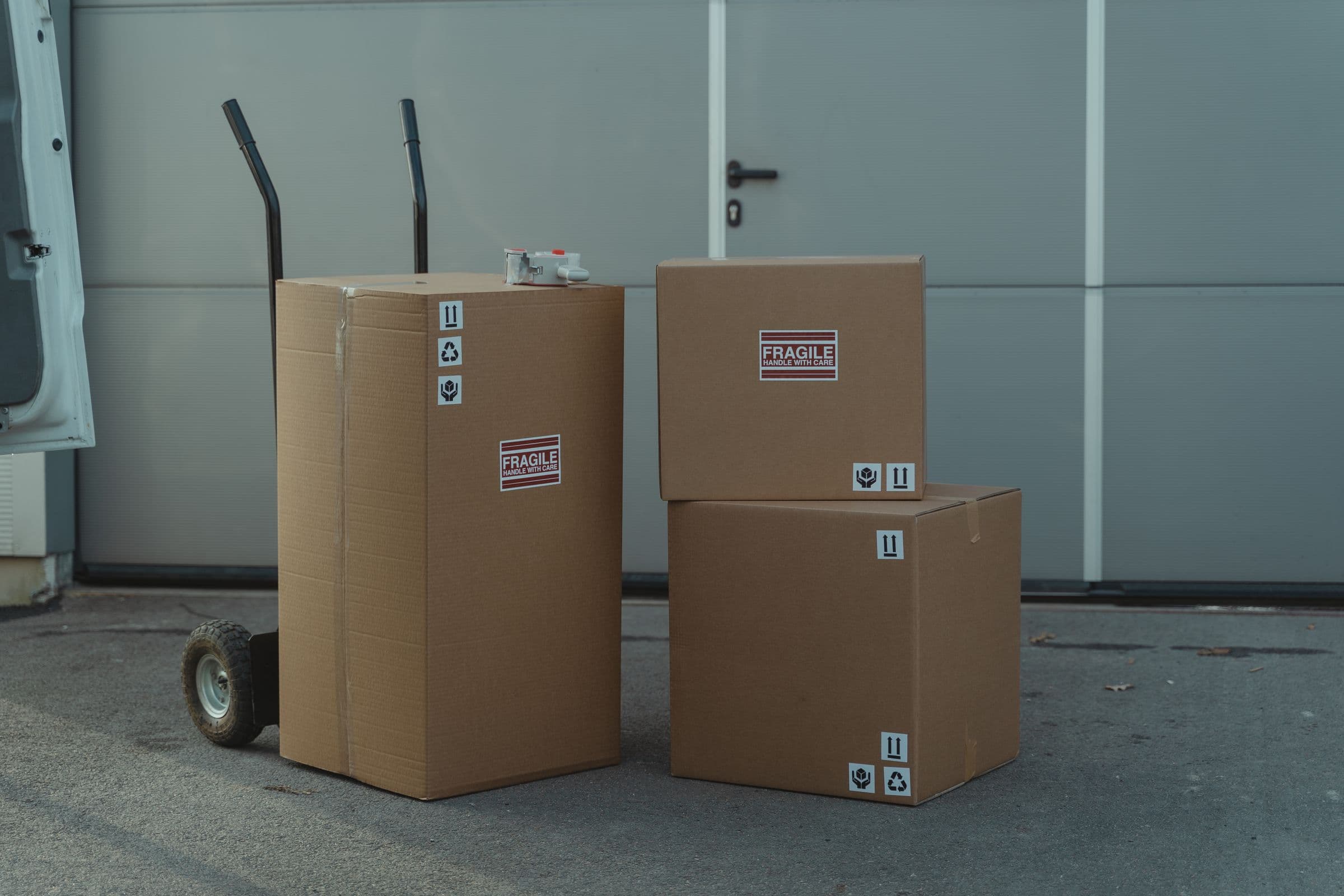
The packaging has to prove itself, independent of what's inside it.
What we need to know
- Battery type and chemistry
- Standalone (UN3480) or packed with equipment (UN3481)
- Quantity of batteries per package
- Whether the battery has already passed UN 38.3 testing
From enquiry to certified packaging
A condensed view of the pathway — see the full process for more detail on documentation and approval.
Scope & Classification
We confirm your battery classification, quantity and packaging construction.
Sample Submission
You send representative packaging, prepared as it will be in service.
Testing
We test the packaging to the relevant UN Recommendations and ADG Code methods.
Certification & Marking
You receive a test report and the marking specification for your packaging.
Approval Application
We prepare and submit your packaging design approval application to your state's Competent Authority on your behalf.
Why clients test with Falcon
NATA-accredited to ISO/IEC 17025
Our mechanical testing is independently accredited, giving your test reports real weight.
38 years of testing experience
Testing dangerous goods packaging since 1988.
Independent & Australian-owned
A specialist testing laboratory, not a division of a packaging supplier.
Frequently asked questions
Is this the same as UN 38.3 battery testing?
No. UN 38.3 tests the battery or cell itself — altitude, thermal, vibration, shock and other safety tests. This page covers testing the outer packaging the battery travels in. See our UN 38.3 Lithium Battery Testing page for the battery-level test.
Do I need both UN 38.3 testing and packaging testing?
Typically yes — UN 38.3 qualifies the battery or cell itself, and packaging testing qualifies the box or container it travels in. Most lithium battery shipments need both to be compliant.
What's the difference between UN3480 and UN3481?
UN3480 covers lithium-ion batteries shipped alone as standalone cargo. UN3481 covers batteries packed with, or contained in, equipment. The classification affects both the battery testing and the packaging requirements that apply.
What information do you need to scope lithium battery packaging testing?
Battery type and chemistry, whether the batteries are shipped standalone or packed with equipment, and quantities per package. Get in touch with these details and we'll confirm the right pathway.
Related services
Request a testing quote
Tell us about your batteries and packaging, and we'll come back with a clear scope, timeframe and price.