

Product Testing
Aerosol Flammability & Design Testing
UN flammability testing — the ignition distance (UN 31.4) and enclosed space ignition (UN 31.5) tests — plus AS 2278 design type testing, all conducted at Falcon's laboratory for the manufacturers, fillers and suppliers responsible for aerosol products.
NATA-accredited to ISO/IEC 17025 · 38 years of testing expertise · Independent & Australian-owned
Aerosol testing at Falcon's laboratory
Falcon conducts the UN flammability tests for aerosols at its laboratory — the ignition distance test (UN 31.4) and the enclosed space ignition test (UN 31.5), set out in section 31 of the UN Manual of Tests and Criteria. They're used to classify flammable aerosols, and they're a core part of our aerosol work.
We also conduct AS 2278 design type testing — the mechanical design, pressure and classification testing that qualifies the container itself, independent of the product formulation inside it.
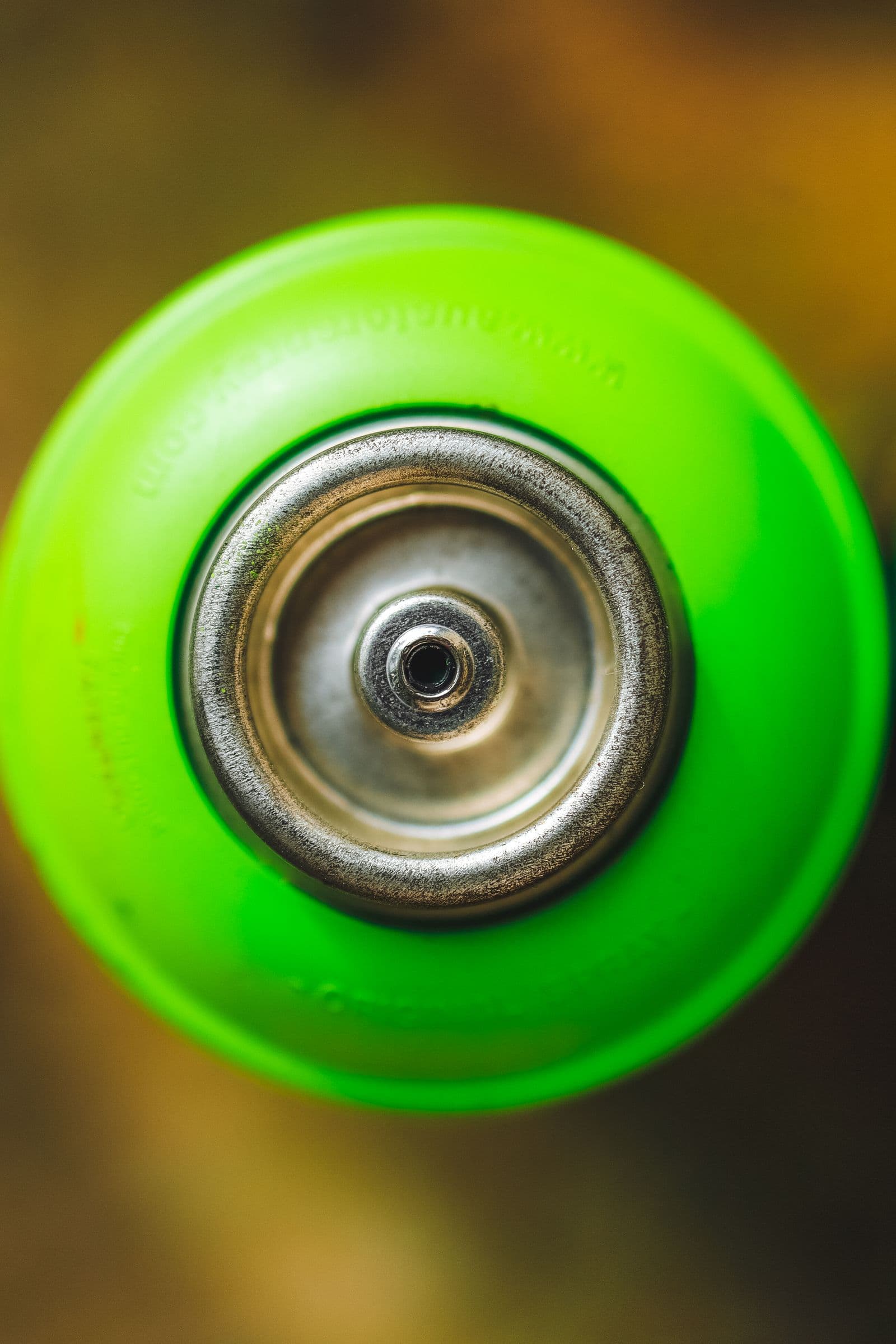
UN flammability testing
Two tests from the UN Manual of Tests and Criteria, run on your finished aerosol product.
UN 31.4
Ignition distance test
Assesses whether, and how far from the aerosol, the spray can be ignited — a measure of how readily the product ignites as it is dispensed.
UN 31.5
Enclosed space ignition test
Assesses how the product behaves when it is discharged into an enclosed space — relevant to aerosols used in confined or enclosed environments.
The test conditions and classification criteria are set by the UN Manual of Tests and Criteria. Get in touch with your product and we'll confirm which tests apply, what samples and information we need, and the likely timeframe.
Two different assessments — and we do both
Aerosol testing covers the product and the container, and it's worth being clear which one your project needs.
What we test
UN flammability testing on the finished product, design type testing on the container, and the mechanical assessment of its dispensing mechanism.

Classification is proven by test, not assumed.
From enquiry to a tested product
Scope Confirmation
We confirm your product, can and valve, and whether you need flammability testing, design type testing or both.
Sample Submission
You send samples of the finished aerosol, with the can, valve and actuator as they'll be supplied.
Testing
We carry out UN 31.4 and 31.5 flammability testing and AS 2278 design type testing against the agreed scope.
Reporting & Marking
You receive a test report, plus UN marking if your product is also dangerous goods.
Why clients test with Falcon
NATA-accredited to ISO/IEC 17025
Our mechanical testing is independently accredited — get in touch to confirm accredited scope for your specific test.
38 years of testing experience
Testing dangerous goods packaging, including aerosol cans, since 1988.
Independent & Australian-owned
A specialist testing laboratory, not a division of an aerosol filler.
Frequently asked questions
Does Falcon conduct UN flammability testing for aerosols?
Yes — we conduct the ignition distance test (UN 31.4) and the enclosed space ignition test (UN 31.5) at our laboratory. They are set out in section 31 of the UN Manual of Tests and Criteria and are used to classify flammable aerosols.
What are the ignition distance and enclosed space ignition tests?
The ignition distance test assesses whether, and how far from the aerosol, the spray can be ignited. The enclosed space ignition test assesses how the product behaves when it is discharged into an enclosed space. Get in touch with your product and we'll confirm which tests apply and what we need to run them.
Does Falcon conduct AS 2278 design type testing?
Yes — AS 2278 design type testing is conducted at Falcon's laboratory, covering the mechanical design, pressure rating and classification of the aerosol container itself.
What's the difference between flammability testing and design type testing?
Flammability testing (UN 31.4 and 31.5) assesses the finished aerosol product — how its spray behaves around an ignition source. Design type testing assesses the container — the mechanical integrity of the can, valve and actuation, and its pressure classification under AS 2278. Many aerosol projects need both.
Do you test aerosol cans as dangerous goods packaging?
Yes — aerosol cans are one of the packaging types we test under the UN Recommendations and ADG Code. See our UN Dangerous Goods Testing page.
What do you need from me to start?
Details of your product — formulation and propellant if known — plus your can construction and valve type, and samples of the finished aerosol. Get in touch and we'll confirm exactly what's needed for the tests you require.
Related services
Confirm your aerosol testing requirements
Tell us about your aerosol product — the formulation and propellant, the can and valve, and whether you need flammability testing, design type testing or both — and we'll confirm scope, timeframe and price.