

Product Testing
AS 3668 FIBC Testing
Independent performance testing for flexible intermediate bulk containers used to move non-dangerous goods — proven for the lifting, loading and handling loads they'll face in service.
NATA-accredited to ISO/IEC 17025 · 38 years of testing expertise · Independent & Australian-owned
What AS 3668 covers
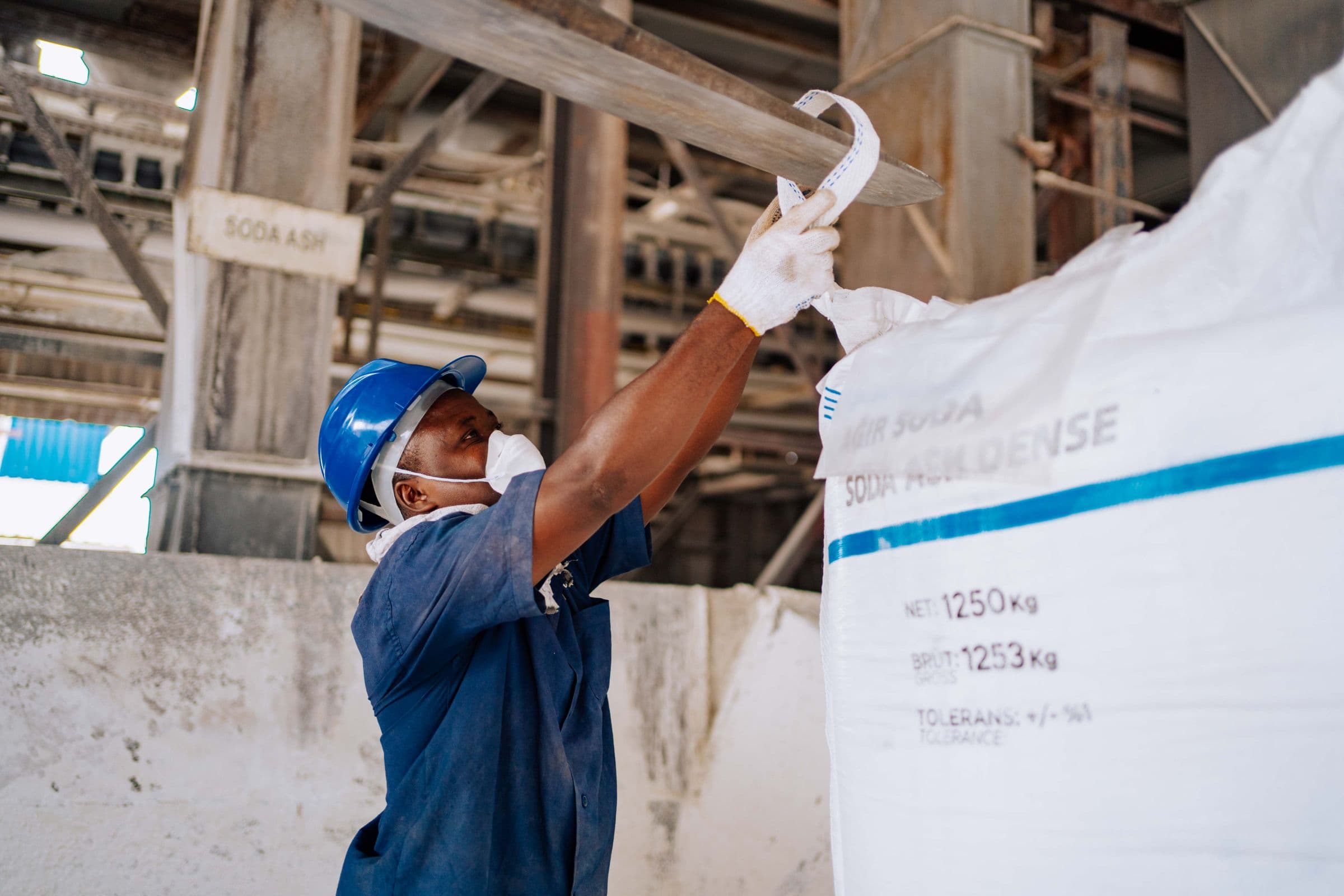
AS 3668 sets the material, design and construction requirements for flexible intermediate bulk containers (FIBCs) — the woven bulk bags used across construction, agriculture, manufacturing and resource recovery to move loose product in volume. It applies specifically to FIBCs carrying non-dangerous goods.
Not the same as UN FIBC testing
Two different tests for two different purposes — don't assume one covers the other.
Single-trip and multi-trip designs
FIBCs are typically built for either single-trip use or as a multi-trip, reusable design inspected across several handling cycles. Which category your FIBC falls into affects the test and inspection regime that applies — talk to us about your design and intended reuse before we scope testing.
Tests we perform
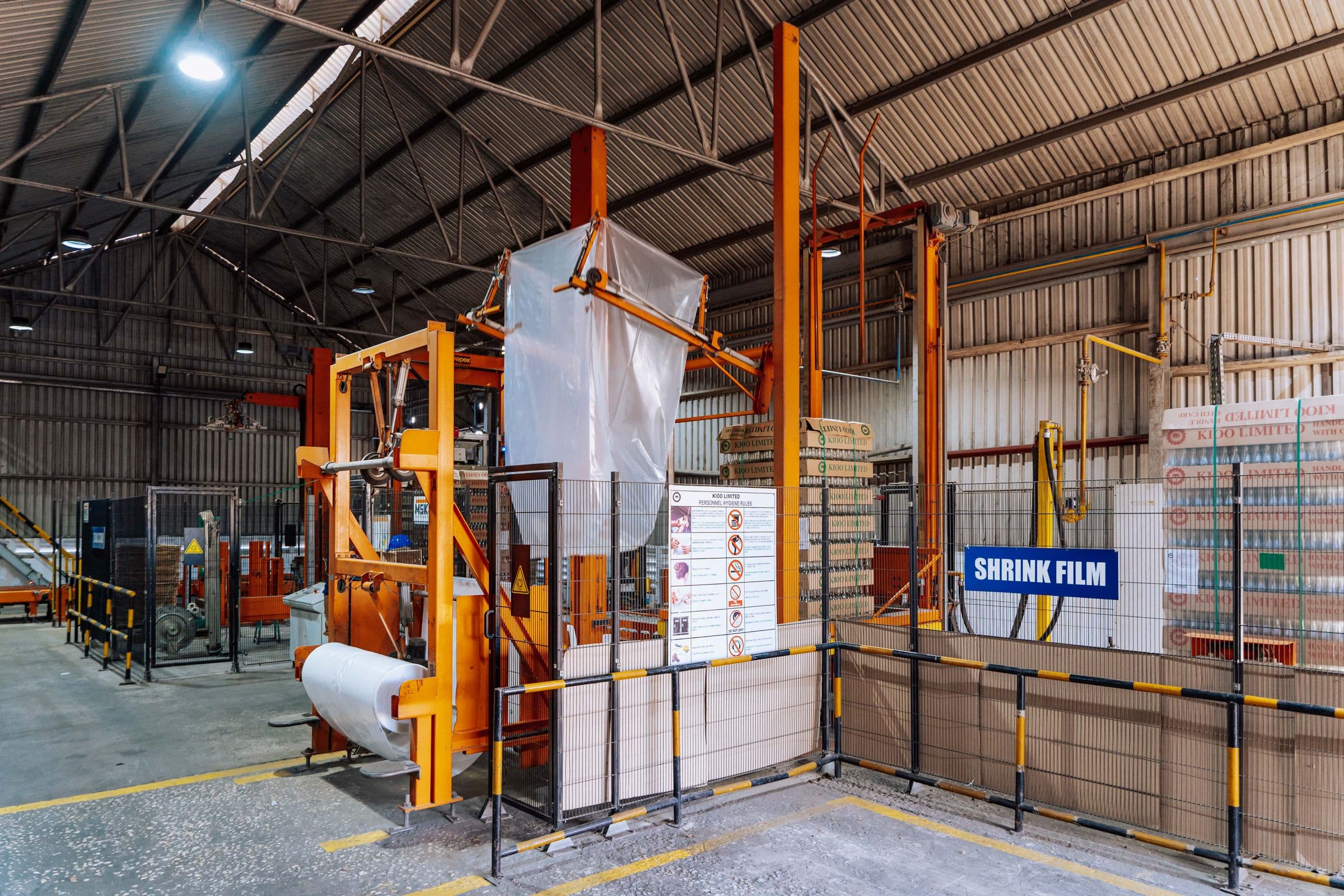
Bulk handling is unforgiving — the bag has to perform every time.
From enquiry to a tested design
Scope & Duty Cycle
We confirm your FIBC's construction, safe working load and single-trip or multi-trip use.
Sample Submission
You send a representative production sample, ready for filling.
Testing
We test to AS 3668 methods matched to your design and duty cycle.
Certification & Reporting
You receive a test report confirming your FIBC's performance against AS 3668.
Why clients test with Falcon
NATA-accredited to ISO/IEC 17025
Our mechanical testing is independently accredited, giving your test reports real weight.
38 years of testing experience
Testing bulk packaging since 1988.
Independent & Australian-owned
A specialist testing laboratory, not a division of a bag manufacturer.
Frequently asked questions
Is this the same as UN FIBC testing for dangerous goods?
No. This page covers FIBCs carrying non-dangerous goods under AS 3668. If your FIBC will carry dangerous goods, it needs UN performance testing instead — see our UN IBC & FIBC Testing page.
What's the difference between single-trip and multi-trip FIBCs?
Single-trip FIBCs are designed for one use; multi-trip (reusable) designs are built and inspected for several handling cycles. Talk to us about which applies to your design, since reusable FIBCs may need a different inspection regime.
What lifting and handling loads are FIBCs tested for?
Testing covers the lifting, loading and stacking forces an FIBC experiences in normal service — talk to us about your specific design and duty cycle.
What do you need from me to start?
Your FIBC's construction, safe working load and fill weight, plus a representative sample — get in touch and we'll confirm scope.
Related services
Confirm your testing requirements
Tell us about your FIBC's construction and intended use, and we'll come back with a clear scope, timeframe and price.