

UN Dangerous Goods Packaging
UN IBC & FIBC Testing
UN performance testing for intermediate bulk containers rated to carry dangerous goods — rigid, composite and flexible designs, tested and marked for the packing group they're built to hold.
NATA-accredited to ISO/IEC 17025 · 38 years of testing expertise · Independent & Australian-owned
What is an intermediate bulk container?
An intermediate bulk container (IBC) is a rigid, composite or flexible container with a capacity of up to 3,000 litres, designed for mechanical handling by forklift or pallet jack. IBCs rated for dangerous goods are permitted for a defined range of hazard classes and must be constructed of a material compatible with what they'll carry.
Container types we test
UN FIBC vs AS 3668 FIBC — know which one you need
These are two different tests for two different purposes. Don't assume one covers the other.
Tests we perform
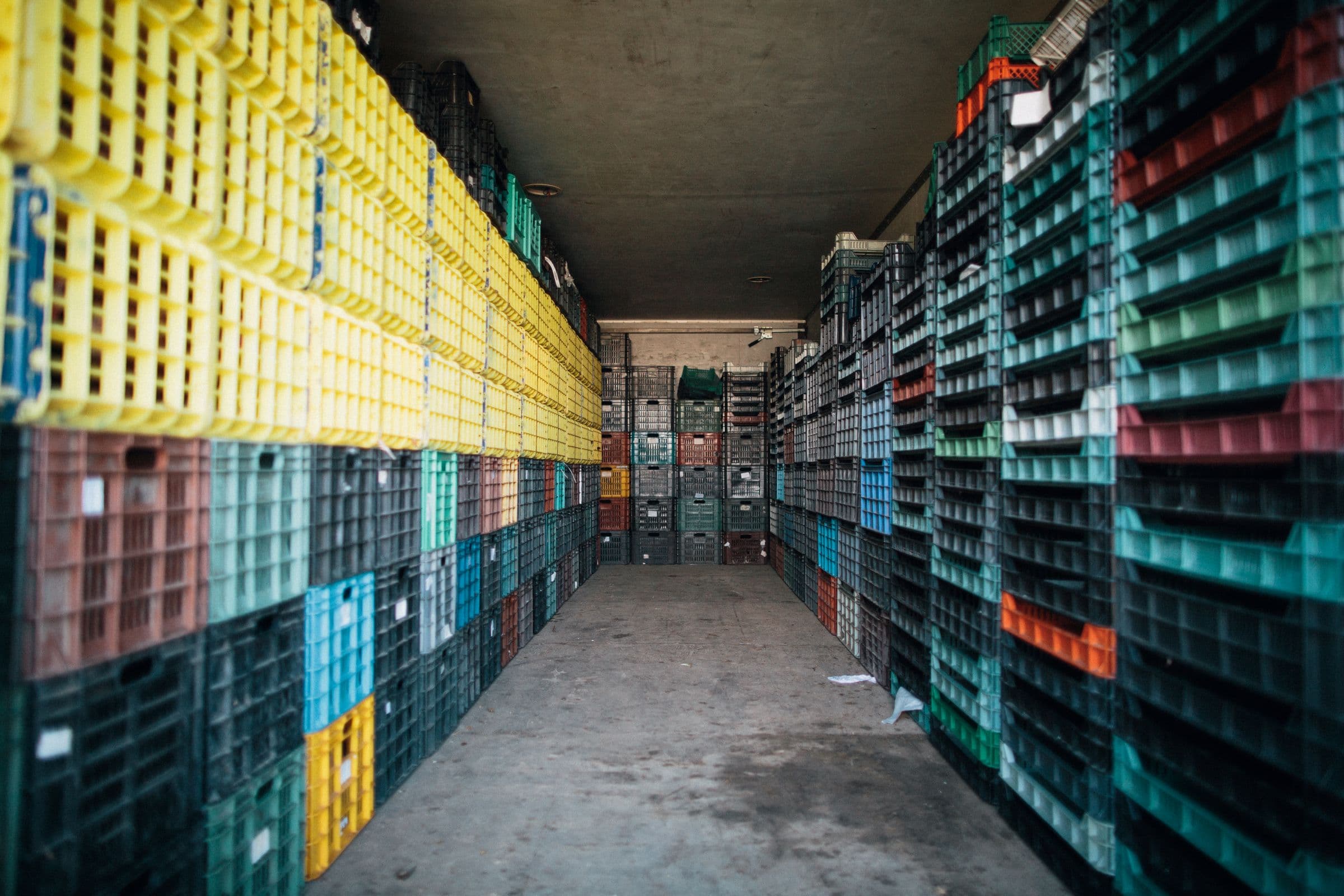
Bulk handling puts real forces on a container — testing proves it holds up.
From enquiry to certified packaging
A condensed view of the pathway — see the full process for more detail on documentation and approval.
Scope & Construction
We confirm your IBC's construction, capacity and the dangerous good it will carry.
Sample Submission
You send a representative production unit, prepared as it will be in service.
Testing
We test to the relevant UN Recommendations and ADG Code methods in our laboratory.
Certification & Marking
You receive a test report and the UN marking specification for your IBC.
Approval Application
We prepare and submit your packaging design approval application to your state's Competent Authority on your behalf.
Why clients test with Falcon
NATA-accredited to ISO/IEC 17025
Our mechanical testing is independently accredited, giving your test reports real weight.
38 years of testing experience
Testing dangerous goods packaging since 1988.
Independent & Australian-owned
A specialist testing laboratory, not a division of a packaging supplier.
Frequently asked questions
What's the difference between an IBC and an FIBC?
IBCs (intermediate bulk containers) can be rigid, composite or flexible. Rigid and composite IBCs are built from metal, plastic, or a plastic inner receptacle in a rigid outer cage. FIBCs (flexible IBCs) are woven fabric bulk bags.
Is this the same as AS 3668 FIBC testing?
No. This page covers FIBCs rated to carry dangerous goods under the UN Recommendations and ADG Code. FIBCs for non-dangerous goods are tested to AS 3668 instead, covered on our Product Testing page.
What size IBC can Falcon test?
Get in touch with your IBC's capacity and construction and we'll confirm scope.
How often does an IBC design need retesting?
IBC design-type testing is valid for five years under the UN Recommendations, the same validity period as standard UN packaging. Revalidation testing is required before it expires to confirm the design still performs to the required standard.
Related services
Request a testing quote
Tell us about your IBC or FIBC and what it will carry, and we'll come back with a clear scope, timeframe and price.