
UN Dangerous Goods Packaging
Jerrican & Drum Testing
UN performance testing for the plastic and metal jerricans and drums used to transport dangerous goods — so your packaging is certified for the packing group, closure and contents it's actually designed for.
NATA-accredited to ISO/IEC 17025 · 38 years of testing expertise · Independent & Australian-owned
What jerrican and drum testing covers
Jerricans and drums — whether plastic or metal — are single packagings used to transport dangerous goods in liquid or solid form. If you manufacture, import or fill jerricans or drums with dangerous goods, they need to be tested and marked for the UN packing group and packaging type before use.
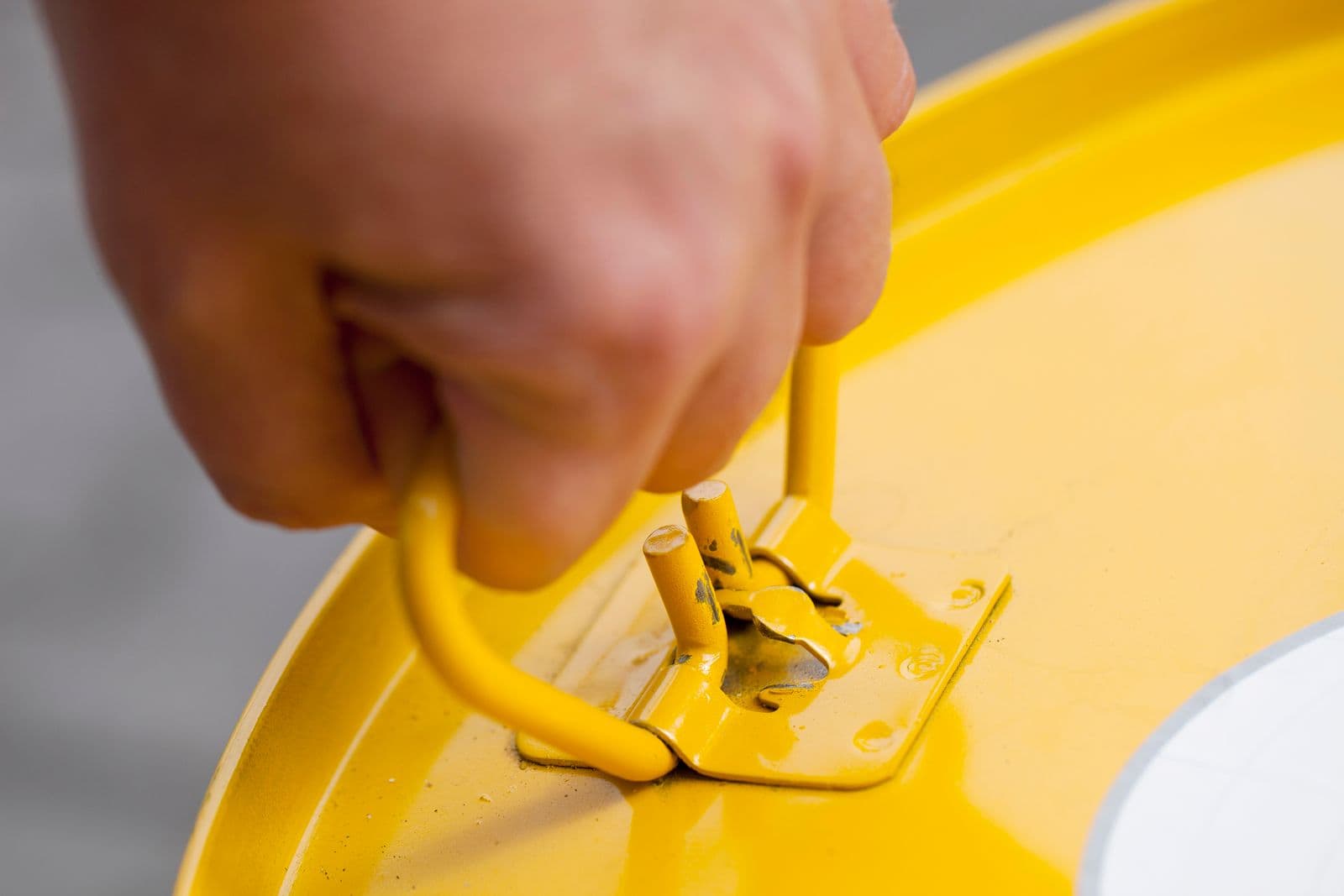
Jerricans & drums we test
Get in touch if your specific design isn't listed here — this covers the packaging types we see most often.
Packing groups matter
The dangerous good your packaging carries sets its packing group, which in turn sets the performance level it must meet — including drop height. For solid contents, the UN Recommendations set these reference drop heights:
Packing Group I
High danger goods. Reference drop height: 1.8 m.
Packing Group II
Medium danger goods. Reference drop height: 1.2 m.
Packing Group III
Low danger goods. Reference drop height: 0.8 m.
Tests we perform
Closures and seals are tested as part of the assembled package — a jerrican or drum is only as good as its cap, bung or lid.
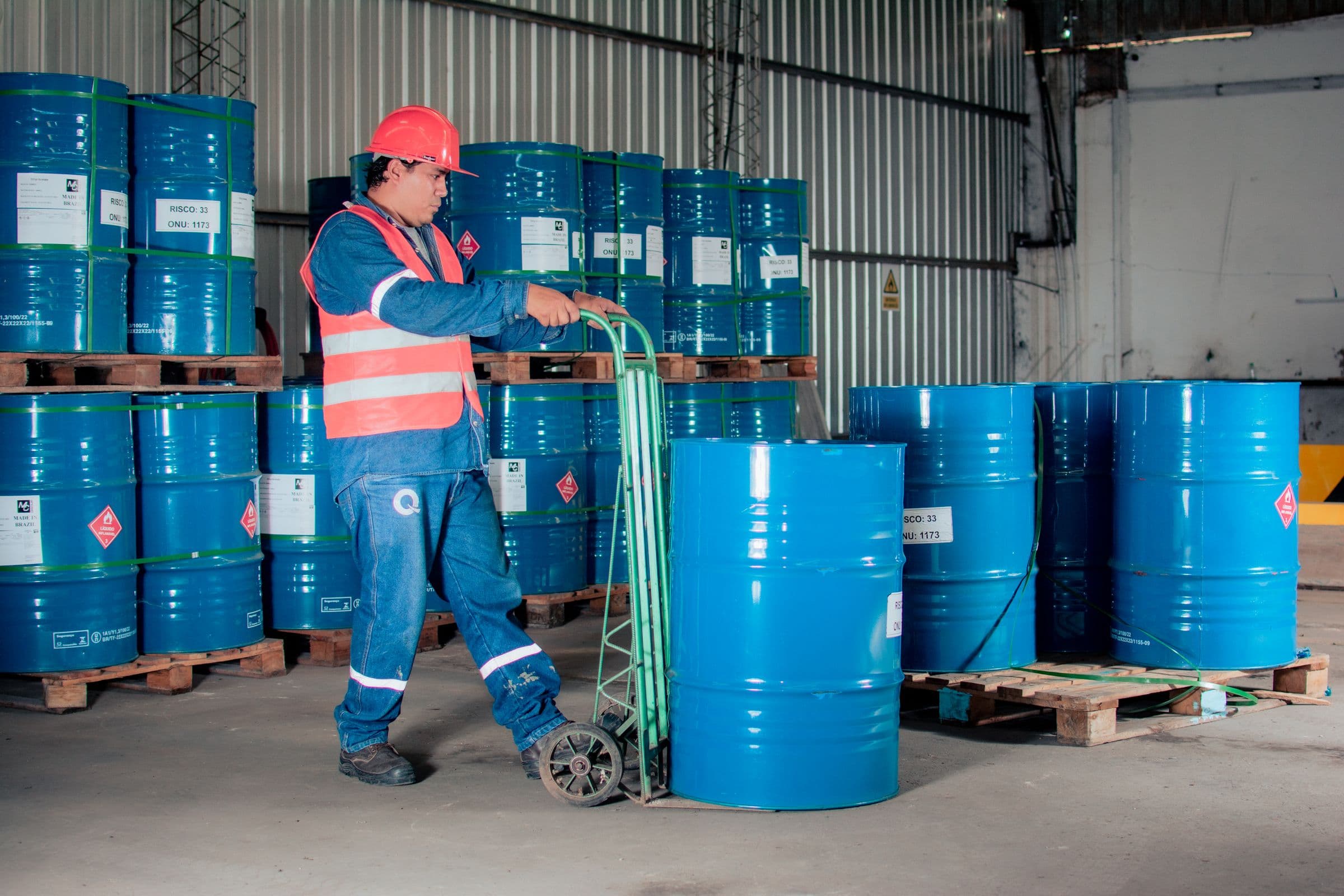
Every drum on this floor carries a UN mark someone had to earn.
From enquiry to certified packaging
A condensed view of the pathway — see the full process for more detail on documentation and approval.
Scope & Packing Group
We confirm the dangerous good, packing group and performance level your packaging needs to meet.
Sample Submission
You send representative production samples, filled and closed as they will be in service.
Testing
We test to the relevant UN Recommendations and ADG Code methods in our laboratory.
Certification & Marking
You receive a test report and the UN marking specification for your packaging.
Approval Application
We prepare and submit your packaging design approval application to your state's Competent Authority on your behalf.
Why clients test with Falcon
NATA-accredited to ISO/IEC 17025
Our mechanical testing is independently accredited, giving your test reports real weight.
38 years of testing experience
Testing dangerous goods packaging since 1988.
Independent & Australian-owned
A specialist testing laboratory, not a division of a packaging supplier.
Frequently asked questions
Do you test both plastic and metal jerricans and drums?
We test a wide range of plastic and metal jerricans and drums — get in touch with your specific design and the dangerous goods it will carry, and we'll confirm scope.
What packing group does my jerrican or drum need to meet?
The packing group (I, II or III) is set by the dangerous good you're shipping, not the packaging itself. We can help confirm the right packing group once we know what your packaging will carry.
Is a fuel container the same as a UN dangerous goods jerrican?
Not necessarily. Portable fuel containers are tested to AS/NZS 2906 on our Product Testing page. If the same container will also carry dangerous goods under the ADG Code, we combine that with UN performance testing.
What happens after testing?
You receive a UN marking specification for your packaging, and we can manage your packaging design approval application from there.
Related services
Request a testing quote
Tell us about your jerrican or drum and what it will carry, and we'll come back with a clear scope, timeframe and price.