

Product Testing
AS/NZS 2906 Fuel Container Testing
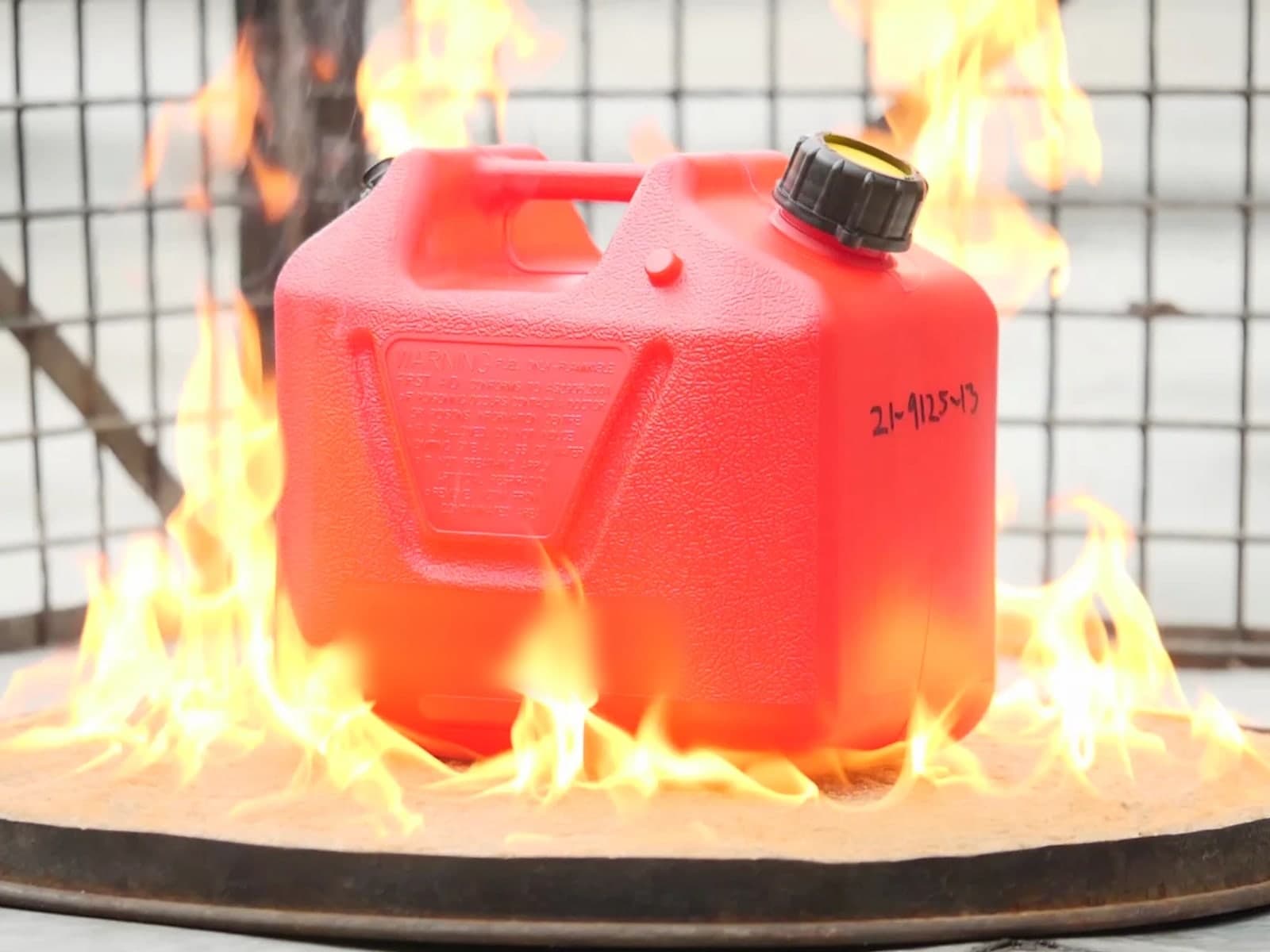
Independent testing for the portable plastic and metal fuel containers used to store and transport petrol, two-stroke fuel and kerosene — proven against AS/NZS 2906 before your container reaches the shelf.
NATA-accredited to ISO/IEC 17025 · 38 years of testing expertise · Independent & Australian-owned
What AS/NZS 2906 covers
AS/NZS 2906 sets the material, design, construction and marking requirements for refillable portable fuel containers — plastic and metal containers used for petrol, two-stroke engine fuel and kerosene. It exists so a container that looks fit for purpose actually performs under the conditions it will face: rough handling, repeated refilling, and the risk of a slow leak going unnoticed until it's a real problem.
Manufacturers and importers use AS/NZS 2906 testing and marking to demonstrate their container is fit for its intended fuel before it goes to market — and, where the same container will also carry dangerous goods, as the mechanical testing foundation for a combined UN performance rating.
Containers we test
Get in touch if your specific design or capacity isn't listed here.
Closures and leakage
A fuel container's closure — its cap, spout or filler mechanism — is tested as part of the assembled unit, not in isolation. Leakage under normal handling and storage is one of the most common reasons a design needs rework, which is exactly why it's assessed early in the process rather than discovered after the container is in the field.
Tests we perform
Design and compliance assessment against AS/NZS 2906, plus UN performance testing where your container will also carry dangerous goods.
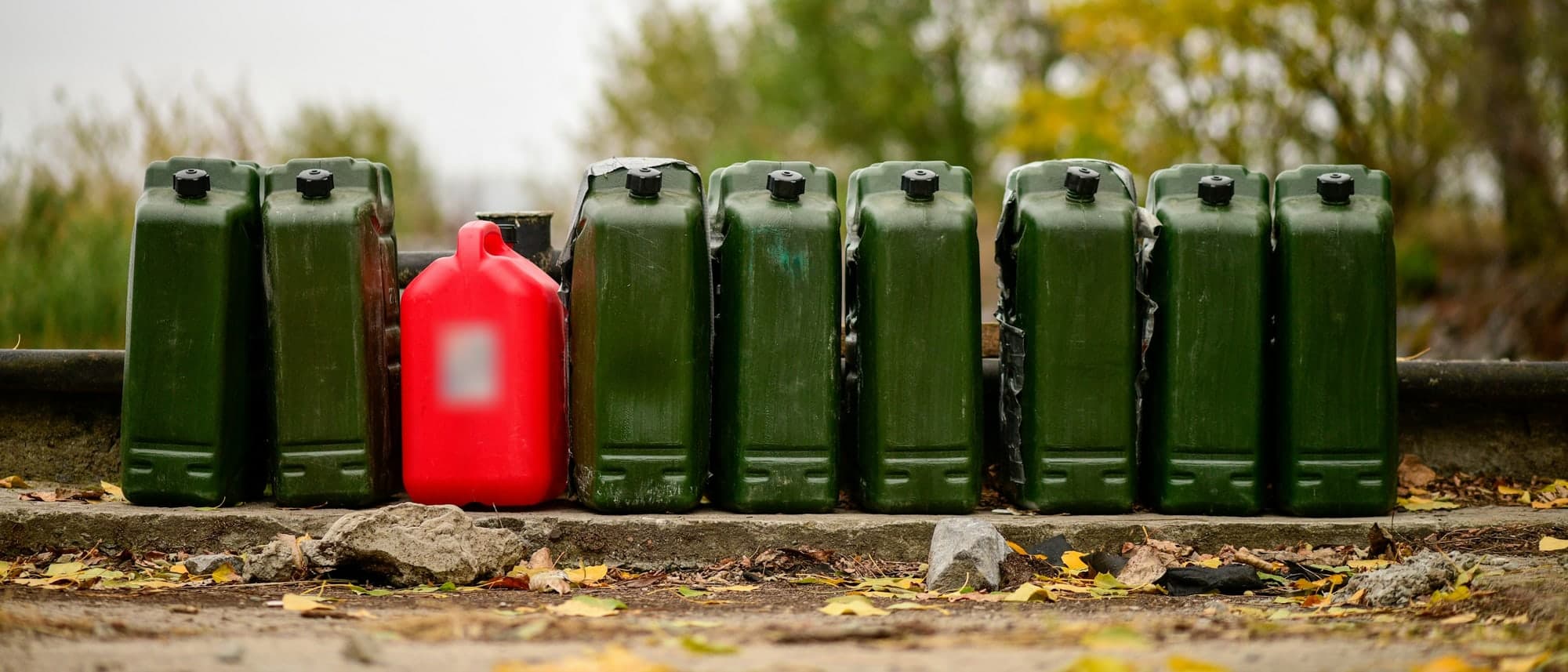
Every cap, every seam, every seal — tested before it reaches the shelf.
From enquiry to a marked container
Scope & Fuel Type
We confirm your container's material, capacity and the fuel it's designed to hold.
Sample Submission
You send representative production samples, assembled with their intended closure.
Testing
We test against AS/NZS 2906, adding UN performance testing if your container will also carry dangerous goods.
Certification & Marking
You receive a test report and the marking specification for your container.
If your container also needs a dangerous goods approval, see the UN Packaging Approval Process.
Why clients test with Falcon
NATA-accredited to ISO/IEC 17025
Our mechanical testing is independently accredited, giving your test reports real weight.
38 years of testing experience
Testing fuel containers and packaging since 1988.
Independent & Australian-owned
A specialist testing laboratory, not a division of a container manufacturer.
Frequently asked questions
Do all portable fuel containers need to be tested to AS/NZS 2906?
Any refillable portable fuel container intended for petrol, two-stroke fuel or kerosene should be tested and marked to AS/NZS 2906 before sale. Get in touch with your specific container and we'll confirm what applies.
Can the same container be tested for AS/NZS 2906 and UN dangerous goods requirements?
Yes — if your container will also carry dangerous goods under the ADG Code, we can combine AS 2906 testing with UN performance testing so it carries both markings.
What's the difference between plastic and metal fuel containers under the standard?
Both are covered by AS/NZS 2906, though the specific construction requirements differ by material. Talk to us about your container's construction and we'll confirm scope.
What information do you need to start testing?
Details of your container's material, capacity and intended fuel type, plus representative samples — get in touch and we'll confirm what's needed.
Related services
Discuss your fuel container testing
Tell us about your container's material and fuel type, and we'll come back with a clear scope, timeframe and price.